


Safeguarding Support for Parents
AI - Artificial Intelligence
AI generated content and AI tools like chatbots, content generators and summaries are quickly appearing across popular online apps and services. There are also popular AI tools appearing like ChatGPT.
There can be many positives to the use of AI in helping to find information, making creative content and getting support quickly through chat functions. However, as with other areas of online use, it comes with risks to children as well.
For example, the content that children see might not be age appropriate, legal or promote healthy behaviours. They can also experience harms such as bullying and sexual abuse through the misuse of AI content generators to create realistic looking content intended to cause harm.
What are AI tools and AI generated content?
AI generated content
This is where an image, video or voice recording has been created using an online generator. These can be completely artificial, meaning none of the content is real, or they can be altered versions of existing real content.
AI content generators
These are the tools used to create AI generated content by entering a series of commands to generate new content or edit an existing image or video.
AI chat bots
These are chat functions where you are speaking with a bot rather than a real person. They will often only respond to short messages and will usually introduce themselves as a bot. However, the bots can often be given human names.
AI summaries
This is where a platform gathers and summarises information, usually found at the top of a page or search engine result. The AI will often take information from across a range of sources and list the sources within the summary.
6 top tips: how to support your children to use AI safely
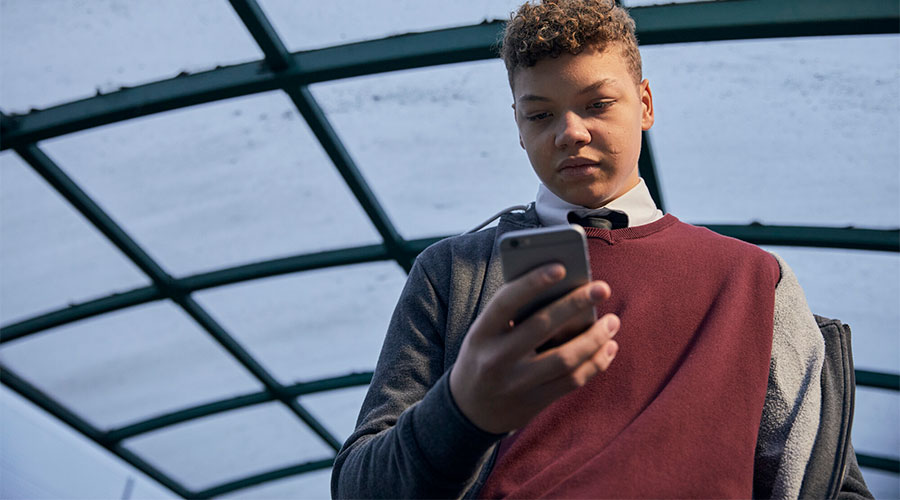
1) Talk about where AI is being used
A good place to start is by having open conversations with your child about where they are seeing AI tools and content online. This is an opportunity to talk about the risks and benefits they are experiencing.
2) Remind young people not everything is real
You can remind them that not everything online is real and much of what we see may have been edited.
AI is continually evolving but there can be common indicators to show something is AI generated but remember it is not always obvious. Some of these indicators can be an overall ‘perfect’ appearance, body parts or movements appearing differently or not looking ‘true to life’.
3) Discuss misuse of generative AI
It’s important to address the misuse of generative AI to create harmful content in an age-appropriate way. Make sure that your child knows it’s not OK for anyone to create content to harm other people.
If they ever experience this or are worried about someone doing it, then they can report that. If you are concerned about how someone is behaving towards a child online this can be reported to law enforcement agency CEOP.
If a sexual image or video has been created, this can be reported via Report Remove.
4) Remind them to check sources
AI summaries and chatbots can be helpful tools to get quick answers to a question but it’s important to know it’s coming from a reliable source.
Sources should be listed and will often have links so they can be checked. If the source is not listed or is not a reliable source, it’s good to encourage them to check a trusted site for themselves.
5) Signpost to safe sources of health and wellbeing advice
We know young people will use the internet to get advice and answers to questions which could mean they come across advice from an AI bot or summary. It’s important they access safe information from reliable sources, so it can be helpful to make sure they know of child-friendly safe sites such as Childline.
6) Make sure they know where to go for help
Ensure your child knows they can talk to you or another safe adult like a teacher if anything worries them online or offline. They can also contact Childline 24/7 on 0800 11 11 or via email or online chat, there are lots of ways they can get support.
This information has been shared from the NSPCC website: NSPCC
Roblox
Children across our school are engaging with the online platform Roblox and often talking about it with others. To support families, we’ve shared information below about how the game works and how to keep children safe online. Roblox can be a positive, creative experience when the appropriate parental controls are in place and actively monitored.
What is Roblox?
Roblox is not a single game—it is a platform where users can explore a huge variety of games created by other players. Experiences range from obstacle courses and building games to role-play and virtual worlds. Because the content is user-generated, the quality and age-appropriateness can vary from game to game.
Age Guidance
Roblox is rated 9+, and children under 13 automatically receive stricter content and communication settings when their age is entered correctly at account creation.
Key Risks to Be Aware Of
- Chatting with strangers – Children can interact with other players, including adults.
- Inappropriate content – Some user-created games may contain scary or adult themes.
- Bullying or scams – Players may pressure others to give away items or Robux, or send unkind messages.
- Overspending – Children may be tempted to spend money on Robux (the in-game currency).
Safety Features Parents Can Use
Roblox offers a range of parental controls, but parents need to set them up manually:
- Limit who your child can chat or play with.
- Restrict certain games.
- Set monthly spending limits or turn off purchases altogether.
- Turn on account PINs to prevent settings being changed.
Roblox has also been strengthening age verification tools for additional safeguards.
Tips for Supporting Your Child’s Safe Play
- Talk regularly about what they’re playing and who they’re interacting with. Open conversations help children feel comfortable sharing concerns.
- Play together when you can—it helps you see what the platform is like and how your child uses it.
- Check account settings to ensure the correct age is entered and safety features are enabled.
- Set limits around screen time and in-game purchases.
- Show them how to block and report inappropriate behaviour.
Useful Link for Parents
For more information and how to set up parental controls, please click on the link below.
The Parent and Caregiver Guide to Roblox | Roblox